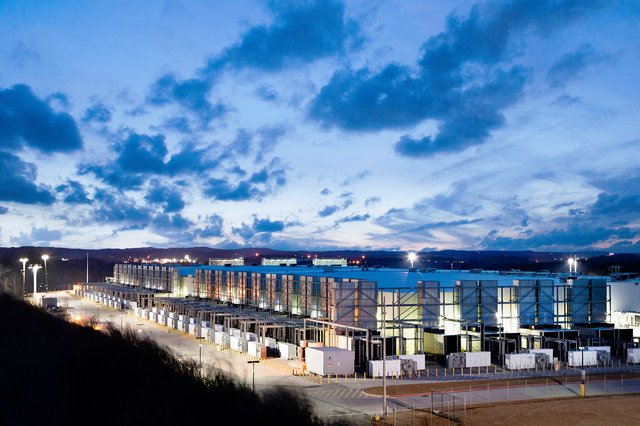
Coastal Georgia communities that spent years debating warehouses may soon face a new industrial question: Are data centers a better alternative – or an even bigger threat? Advocates say the facilities bring tax revenue, infrastructure investment and fewer trucks than traditional logistics hubs. Critics warn they could deepen water shortages, strain power systems and accelerate the loss of forests and wetlands in a resource-vulnerable region. There are no current public data center proposals across Bryan, Bulloch, Effingham and Liberty counties. However, some leaders are discussing frameworks for future proposals. Bulloch County commissioners recently extended a moratorium on data centers and are discussing an outright ban. Data centers are physical facilities that house thousands of computer servers and networking systems. Some are small localized operations, while hyperscale campuses can stretch from 500,000 square feet to several million. Effingham County already has around 30 distribution companies of varying sizes operating within the county. Both warehouses and data centers would largely compete for the same industrially zoned land parcels, according to county development leadership. If industrial growth is inevitable, which model leaves communities with fewer long-term costs and greater long-term benefits? Water usage and availability in southeast Georgia sit at the center of the debate. Jeff Beauvais, the north coast advocate for One Hundred Miles, a coastal Georgia…
Read the full story at effinghamherald.net →