


Staff reports
Georgia is undergoing a transformation that positions it as a key economic and cultural force in the southeastern United States. From thriving industries to shifting demographics, the state exemplifies the balance between tradition and modernization. As it embraces growth, Georgia faces opportunities and challenges across its economy, infrastructure, and identity.
Booming Industries
Georgia’s economy has diversified and expanded, with three sectors driving much of its success: technology, film, and agriculture.
- Tech Innovation:
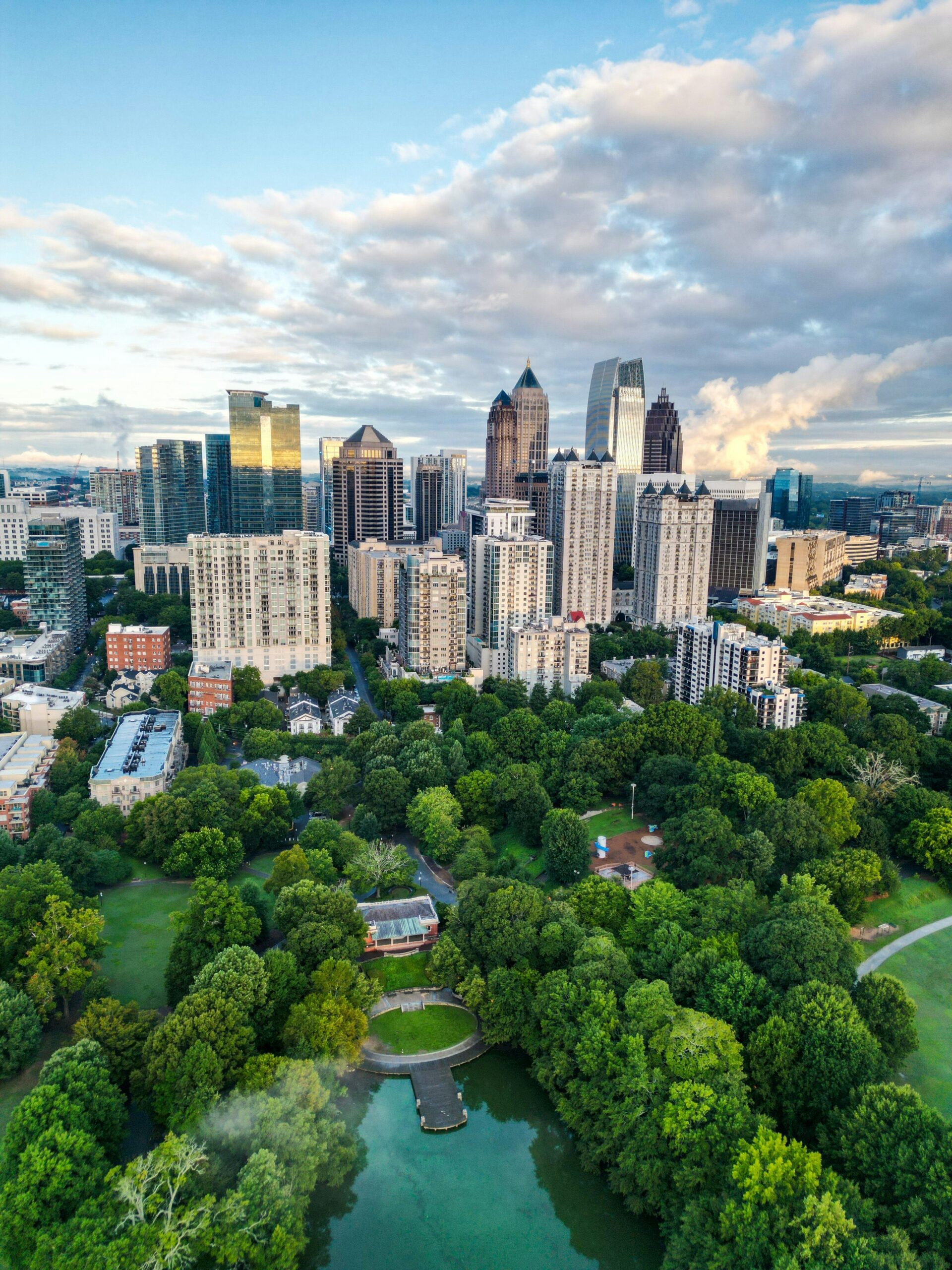
Atlanta has emerged as a burgeoning tech hub, attracting major companies with its business-friendly policies, a skilled workforce, and relatively low operating costs. Local tech startups in areas like fintech and cybersecurity are thriving, supported by incubators and accelerators.
(Insert a comment from a state official on the impact of tech incentives and workforce development programs.) - Hollywood of the South:
The film and television industry has brought billions of dollars into Georgia’s economy, solidifying its reputation as a Hollywood alternative. Tax incentives and a range of shooting locations have made the state a favorite for blockbuster films and TV series.
(Include remarks from a local economic development official on how the film industry supports small businesses and job creation in the state.) - Agricultural Excellence:
Agriculture remains a cornerstone of Georgia’s economy, known for peaches, peanuts, and poultry. Advances in agritech are modernizing farming methods and enabling producers to compete on a global scale.
(Insert a comment from a local agricultural commissioner on how rural areas benefit from technological advancements and state programs.)
Population Growth and Urbanization
Rapid population growth is reshaping Georgia’s cities and suburbs, creating both opportunities and challenges.
- Housing Crunch:
Metro areas like Atlanta and Savannah are experiencing surges in housing demand, leading to rising home prices and rental rates. Suburban areas are expanding rapidly to accommodate the influx of new residents.
(Add comments from a state housing official or urban planner about initiatives to address affordable housing and sustainable growth.) - Traffic and Transportation:
Urbanization has intensified traffic congestion, especially in Atlanta. State and local governments are investing in public transit expansions, toll lanes, and smart infrastructure.
(Insert a statement from a transportation official discussing plans to alleviate congestion and improve infrastructure.) - Infrastructure Strain:
Upgrades to roads, bridges, and utilities are critical to managing growth. However, some argue that development often outpaces infrastructure improvements.
(Include remarks from a local infrastructure expert or city official about balancing growth with sustainability and resilience.)
Local Business Climate
Georgia’s business-friendly policies have fostered a thriving entrepreneurial ecosystem while attracting major corporations.
- Regional Entrepreneurs:
Entrepreneurs across the state are capitalizing on Georgia’s supportive business environment. From tech startups to artisan goods producers, the diversity of business ventures reflects the state’s economic potential.
(Insert a quote from a local business leader about how state resources or incentives have enabled their success.) - State Incentives:
Tax credits and grant programs attract both small businesses and large corporations to the state. Logistics, manufacturing, and green energy are among the sectors benefiting most.
(Add a comment from a state economic official about the strategic use of incentives to drive long-term growth.) - Workforce Development:
Workforce training programs like Georgia Quick Start ensure businesses have access to a skilled labor pool, particularly in sectors like aerospace and automotive manufacturing.
(Include remarks from a workforce development official on the impact of these programs on job creation and economic mobility.)
Political Realignment
Georgia’s political landscape is evolving, reflecting demographic shifts and changing voter priorities.
- Changing Voter Demographics:
A more diverse electorate is reshaping the state’s politics. Significant growth in Hispanic, Asian, and African American populations has made Georgia a battleground in national elections.
(Insert comments from a political analyst or state election official about the impact of demographic changes on election outcomes.) - Party Influence:
Recent elections have demonstrated Georgia’s divided political landscape, with urban areas leaning Democratic and rural regions remaining Republican strongholds.
(Include a statement from a political leader or strategist about strategies for bridging the urban-rural divide.) - Policy Implications:
Key issues such as healthcare, education, and infrastructure dominate the political discourse, with leaders tasked to address the needs of a growing and diverse population.
(Add remarks from a state lawmaker about how the government is addressing these pressing concerns.)
State Identity and Culture
Georgia’s identity reflects a dynamic blend of its historical roots and aspirations for modernization.
- Balancing Tradition with Modernization:
Historic cities like Savannah and Augusta retain their charm while embracing modernization. Events like the Masters Tournament and Atlanta Pride Festival highlight the state’s cultural diversity.
(Insert a quote from a cultural historian or local official about how Georgia preserves its heritage while adapting to modern trends.) - Cultural Renaissance:
Georgia’s musical heritage, spanning gospel, blues, and hip-hop, continues to influence global culture. Meanwhile, chefs and restaurateurs are redefining Southern cuisine with innovative approaches.
(Include remarks from a local artist or chef about Georgia’s role in shaping the cultural landscape.) - Community Resilience:
Georgia’s communities have demonstrated resilience in the face of challenges, from economic downturns to natural disasters. Grassroots initiatives and nonprofit organizations are key to fostering unity and recovery.
(Add a comment from a community leader or nonprofit director about the importance of local efforts in building resilience.)
Conclusion
Georgia stands at a crossroads, poised for continued growth while holding onto its unique identity. The state’s booming industries, dynamic population, and evolving political landscape create both challenges and opportunities. As Georgia’s leaders and residents navigate this pivotal moment, their actions will shape the state’s future. Whether preserving its rich traditions or embracing new possibilities, Georgia’s journey promises to be one of innovation, resilience, and progress.